

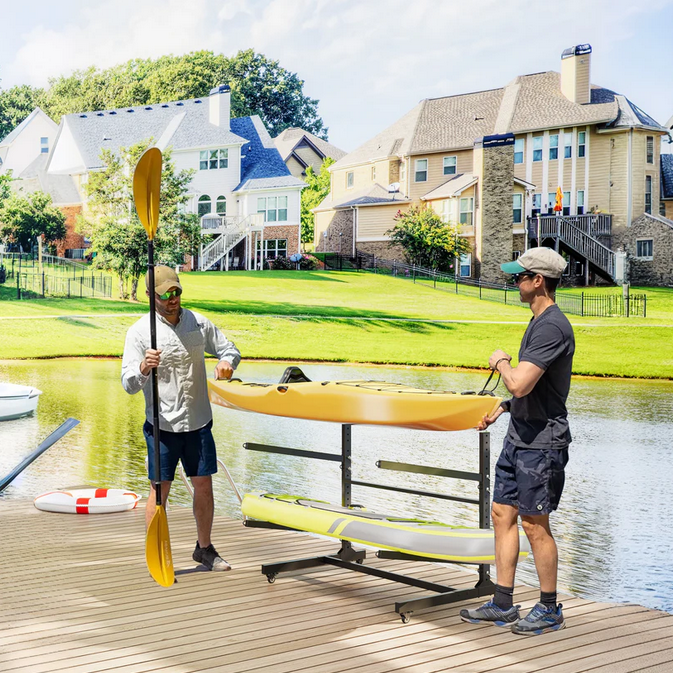
Kayaks are fun on the water, but storing them properly at home can quickly become a challenge. Their long shape, wide body, and delicate hulls make them harder to manage than regular sports gear. Without a clear setup, kayaks can take over the garage, block vehicle space, or become damaged from poor support. That is why smart kayak organization ideas matter for anyone who enjoys weekend paddling, fishing trips, or family water adventures. Whether you keep your gear in a garage, shed, dock area, or covered outdoor space, a practical system helps protect your investment and keeps everything easier to access. With the right planning, garage storage for kayaks can also improve safety, reduce clutter, and make your next outdoor trip smoother from the start.
Why Proper Kayak Storage Matters
Kayaks are built for outdoor use, but that does not mean they should be left anywhere after a trip. Heat, moisture, pressure points, and direct sunlight can affect the shape and surface of a kayak over time. A poorly stored kayak may develop dents, scratches, or warping, especially if it rests on uneven ground for long periods.
Good storage also helps you manage related water sports equipment such as paddles, life jackets, dry bags, roof straps, helmets, and repair kits. Instead of searching through piles of gear before every trip, you can keep everything in one organized area.
For homeowners who also store bikes, tools, camping supplies, automotive accessories, or lawn equipment, organized storage is even more important. A kayak should not compete with car parking space or create a tripping hazard near shelves, workbenches, or garage doors.
Best Kayak Organization Ideas for Homeowners
The best kayak organization ideas depend on your available space, number of kayaks, and how often you use them. Some people need a compact solution for one kayak, while others need a larger setup for family gear.
Here are a few practical options:
-
Wall-mounted storage: Ideal for garages with open wall space.
-
Freestanding racks: Useful when drilling into walls is not preferred.
-
Ceiling hoists: Helpful for high garages with limited floor space.
-
Outdoor covered racks: Good for docks, patios, and backyard storage.
-
Mobile racks with wheels: Convenient when kayaks need to be moved often.
A well-planned storage area should make it easy to load kayaks onto a vehicle, trailer, or roof rack. This is especially helpful for outdoor enthusiasts who prepare gear for early morning trips or weekend road travel.
Choosing a Kayak Storage Rack for Better Protection
A strong kayak storage rack can make a major difference in how safely and neatly your kayak is stored. Instead of leaving the kayak flat on concrete or leaning against a wall, a rack supports the hull and keeps the boat elevated.
When choosing a rack, look for features such as:
-
Heavy-duty steel or durable frame construction
-
Padded arms to reduce scratches
-
Adjustable width or tier options
-
Indoor and outdoor compatibility
-
Wheels for easy movement
-
Enough capacity for kayaks, canoes, paddleboards, or surfboards
If you have more than one kayak, a multi-tier rack may be more efficient than using separate stands. It keeps your gear vertical or stacked in a controlled way, saving space while reducing damage risk.
Garage Storage for Kayaks: Making the Most of Limited Space
Many homeowners use the garage as a mixed-use space for vehicles, tools, seasonal items, sports gear, and household storage. Because of this, garage storage for kayaks needs to be practical, not just visually neat.
Start by measuring your kayak and checking the available wall, floor, and ceiling space. Then think about your daily garage use. Do you need to park a car inside? Do you have a workbench? Do you often move bikes, ladders, or lawn equipment? These questions help you choose a layout that works in real life.
For smaller garages, vertical or wall-mounted storage may be best. For larger garages, a freestanding rack can create a dedicated zone for kayaks and outdoor equipment storage. Keep the rack near the garage door if you regularly load kayaks onto a truck, SUV, trailer, or roof carrier. This reduces lifting distance and makes trip preparation easier.
Outdoor Equipment Storage for Active Families
Families who enjoy camping, fishing, boating, and paddling often collect a wide range of gear. Without a system, outdoor equipment storage can become messy very quickly. Kayaks may sit beside coolers, tents, life vests, fishing rods, and vehicle accessories, creating clutter and making items harder to find.
A better method is to create zones:
Paddling Zone
Keep kayaks, paddles, flotation gear, waterproof bags, and tie-down straps together.
Vehicle Loading Zone
Store roof rack straps, trailer accessories, bungee cords, and protective pads near the garage door.
Cleaning and Maintenance Zone
Keep towels, mild cleaners, repair patches, and drying hooks in one place.
This type of setup is especially useful for people who combine kayaking with road trips. When everything is organized, it becomes easier to prepare your vehicle, check your gear, and leave on time.
How to Store Water Sports Equipment Safely
Water sports equipment should be stored dry, clean, and away from sharp objects. After each trip, rinse off mud, sand, salt, or lake debris before putting the kayak away. Let the kayak dry properly to reduce moisture buildup.
Paddles should be stored horizontally or vertically in a stable rack or hook system. Life jackets should be hung in a dry, ventilated space. Small accessories like waterproof phone cases, gloves, repair kits, and straps can go in labeled bins.
A reliable kayak storage rack can also support a broader gear system when combined with shelves, wall hooks, and storage baskets. The goal is not only to hold the kayak but also to create a cleaner and safer storage area.
Indoor vs. Outdoor Kayak Storage
Both indoor and outdoor storage can work, but each has advantages.
Indoor Storage
Indoor storage offers better protection from weather, sunlight, and theft. A garage, basement, or shed is ideal if there is enough room. It also keeps the kayak closer to tools, cleaning supplies, and vehicle-loading accessories.
Outdoor Storage
Outdoor storage works well when indoor space is limited. However, the kayak should be kept off the ground and covered when possible. Choose a shaded area and avoid placing the kayak directly under heavy tree branches or in standing water.
For outdoor setups, a strong rack with weather-resistant materials is important. A protective cover can also help reduce exposure to UV rays, rain, dust, and debris.
Common Mistakes to Avoid
Even experienced paddlers sometimes make storage mistakes. Avoid these common issues:
-
Leaving a kayak flat on hard ground for long periods
-
Storing gear while it is still wet
-
Placing heavy items on top of the kayak
-
Leaning the kayak against sharp or rough surfaces
-
Blocking walkways or vehicle doors
-
Forgetting to organize paddles, straps, and safety gear
The best kayak organization ideas are simple, safe, and easy to maintain. If the system is too complicated, it will be harder to follow after every trip.
Maintenance Tips Before and After Storage
Before storing your kayak, inspect the hull for cracks, deep scratches, or loose fittings. Check handles, seats, bungees, and drain plugs. If you transport your kayak by car or trailer, also inspect straps and roof rack pads.
After storage, do a quick check before your next trip. Make sure the kayak is clean, dry, and ready to load. This habit saves time and reduces the risk of discovering problems at the last minute.
For seasonal storage, consider loosening tight straps and moving the kayak slightly from time to time to prevent long-term pressure on one area.
FAQ
1. What is the best way to store a kayak in a garage?
The best method depends on your space. Wall racks, freestanding racks, and ceiling hoists are all useful for garage storage for kayaks. The key is to keep the kayak supported, elevated, and away from heavy traffic areas.
2. Can kayaks be stored outside?
Yes, kayaks can be stored outside if they are protected properly. Use a stable rack, keep the kayak off the ground, and cover it when possible. Outdoor equipment storage should also protect gear from direct sunlight, moisture, and sharp objects.
3. How do I organize paddles and other accessories?
Store paddles on hooks or racks and keep smaller water sports equipment in labeled bins. Life jackets should be hung in a dry place with good airflow.
4. Is a freestanding rack better than a wall-mounted rack?
A freestanding rack is better if you want flexibility or do not want to drill into the wall. A wall-mounted rack is better for saving floor space. Both can work well when installed or positioned correctly.
5. How many kayaks can one rack hold?
It depends on the rack design. Some racks hold one or two kayaks, while multi-tier models can hold several kayaks, paddleboards, or canoes. Always check the weight capacity before use.
Conclusion
A clean and practical storage setup makes kayaking more enjoyable before and after every trip. Instead of dealing with clutter, blocked garage space, or damaged gear, you can create a system that keeps kayaks, paddles, safety items, and accessories ready for use. The best approach starts with measuring your space, choosing the right rack style, and grouping related gear together. Whether you need better garage storage for kayaks or a complete outdoor equipment storage plan, small improvements can make a big difference. With smart kayak organization ideas, your water sports equipment stays protected, your garage remains easier to use, and your next paddling adventure becomes simpler to prepare for.